Daily Life of Wild Monkeys
Wild monkeys thrive in forests, leading highly social and dynamic lives within their troops. Their daily routine revolves around foraging, grooming, playing, and maintaining social bonds. Monkeys are early risers, often waking at dawn to forage for food, which includes fruits, leaves, flowers, seeds, insects, and sometimes small animals. They navigate the treetops and forest floor, using their agility and sharp senses to find sustenance.
Social interactions are a vital part of their day. Grooming, a calming activity, strengthens bonds among troop members and helps maintain hygiene. Younger monkeys engage in playful chases and mock battles, which not only entertain but also teach them survival and social skills. Adult monkeys remain vigilant, watching for predators like leopards, snakes, or birds of prey, as well as rival troops that may encroach on their territory.
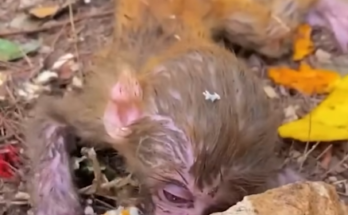
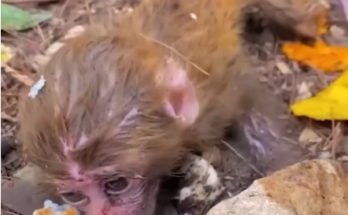
Life of a Mother Monkey and Her Baby
A mother monkey’s life revolves around nurturing and protecting her baby. From birth, the baby clings to its mother’s belly or back, relying on her for warmth, security, and transportation. Nursing is frequent, especially during the early weeks, ensuring the baby receives vital nutrients.
Mothers are fiercely protective, keeping their young close and guarding them against threats. If danger arises, the mother may flee or confront the predator while shielding her baby. As the baby grows, the mother gradually encourages independence, allowing it to explore while staying within sight.
Other members of the troop may assist in caregiving, a behavior known as alloparenting, where older siblings or female monkeys help care for the baby. These interactions teach the baby essential social skills, preparing it for life within the complex troop hierarchy.
The bond between a mother and her baby is deep and enduring, reflecting the rich social fabric of monkey communities in the wild.
4o