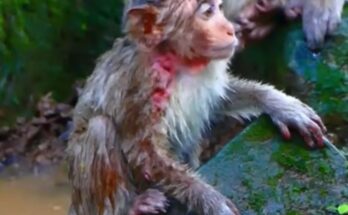
Wild monkeys face an array of harsh challenges as they navigate their natural habitats, balancing survival against the ever-present dangers of their environment. From predation and scarcity of food to human encroachment and the destruction of their homes, the struggles of wild monkeys are multifaceted, deeply impacting their ability to thrive in the wild.
One of the most significant threats to wild monkeys is the loss of their natural habitats. As human populations expand, forests are being cleared for agriculture, logging, and urbanization. This deforestation not only reduces the available territory for monkeys but also isolates populations, leading to inbreeding and a decrease in genetic diversity. Monkeys who once roamed freely in vast, interconnected habitats are now confined to smaller, fragmented areas, which severely restricts their access to food and mates, ultimately threatening their long-term survival.
Food scarcity is another critical issue for wild monkeys. While many species are omnivorous and can adapt to a variety of diets, the availability of resources in the wild is unpredictable. In some areas, seasonal changes or environmental factors like drought can lead to food shortages, forcing monkeys to compete with each other and other animals for limited resources. Additionally, when their habitats are destroyed, monkeys may find themselves venturing into human settlements in search of food, which exposes them to the dangers of human activity.
Human-wildlife conflict is a significant struggle for wild monkeys. As human populations encroach upon monkey habitats, direct interactions between humans and monkeys become increasingly common. Monkeys may raid crops or scavenge from garbage dumps, which leads to retaliation from local communities who view them as pests. Tragically, monkeys often pay the price with their lives, being killed or injured by humans. In some cases, monkeys may also be captured and sold into the illegal pet trade or used for entertainment, such as in cruel circus performances.
Another struggle that wild monkeys face is predation. While adult monkeys are generally adept at defending themselves from predators, young monkeys are particularly vulnerable. They can fall prey to larger carnivores such as big cats, birds of prey, or snakes. The constant threat of predation requires monkeys to be highly vigilant, constantly on the lookout for dangers in their environment. This vigilance, however, comes at the cost of stress and exhaustion, as monkeys must balance the need for food, socializing, and grooming with the risk of becoming prey.
Disease is also a significant challenge for wild monkeys. Like any wild animals, monkeys are susceptible to various illnesses, some of which can be deadly. Disease outbreaks can occur when monkeys are stressed, when food resources are scarce, or when they come into contact with humans or other animals that carry pathogens. Some diseases, such as those transmitted by parasites, can be debilitating and reduce a monkey’s ability to hunt, forage, or socialize, leading to a decline in overall health and sometimes death.
In addition to these natural struggles, monkeys also face the psychological toll of their harsh lives. Monkeys are highly intelligent and social animals, and many species form strong bonds with their family members and social groups. The trauma of losing a family member or being separated from their group due to human intervention or environmental changes can have devastating effects on their emotional well-being. In some cases, orphaned monkeys may struggle to survive alone in the wild, lacking the social structure and support they need to thrive.
The life of a wild monkey is a constant struggle for survival, marked by a complex interplay of environmental, social, and human-induced challenges. While these animals possess incredible resilience and adaptability, their harsh lives remind us of the urgent need to protect their habitats and ensure that they have the opportunity to thrive in the wild.
4o mini